What to do after death, and before
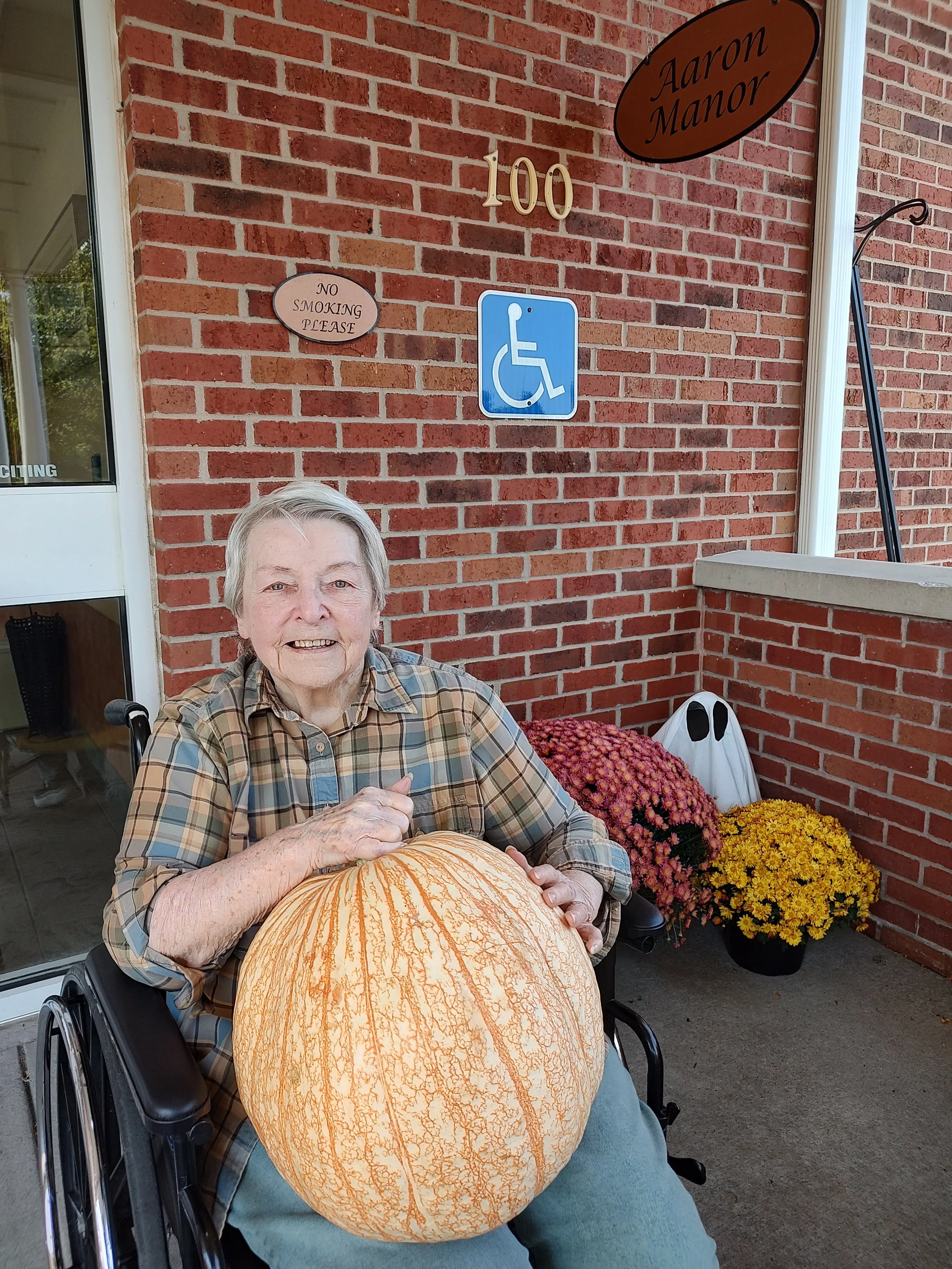
My mom’s spirit left her body late in the evening of Friday, January 9. I was with her during the hours beforehand. I have such respect for how tenacious the spark of life can be, even in an infirm person in their late 80s, witnessing the labor required for the body to let go of life.
Her final day was a tender time. My husband David, brother and sister and a couple of the grandkids were there for many hours, talking to her, appreciating her, telling her we loved her and it was OK to go. Drawing from hospice volunteer experience, that hearing is the last sense to remain at the end of life, I reminded everyone to speak to Mom, not about her. Staff who had cared for her visited and told her they loved her, and Godspeed. I asked her if she was noticing the complete absence of tension or animosity between us. We were there in love and in gratitude, which made her a wealthy lady, the only kind of wealth she might take on the journey.
David and I kept Mom company after she passed for some time, trusting her consciousness was close. It was profound to experience her deeply familiar form, which after decades of hugs and years of physical caregiving was almost as familiar to me as my own, becoming cold as the engine of life ceased. There’s a part of me still absorbing that moment.
Buddhist teacher Pema Chodron tells of a practice she offers to friends after death.* In Tibetan Buddhism, the 49 days after death are said to be quite confusing for most people. Following her advice, I speak to Mom each day, reminding her: ‘Slow down. Don’t make quick moves. Face whatever scares you.’ I’m reminding myself too.
* Pema Chodron, How We Live is How We Die p. 127
